Car vs Jeep vs Van vs Bus: How to Choose the Right Vehicle for Your Nepal Trip
Nepal’s terrain changes dramatically from region to region — smooth highways in the valleys, winding hill roads toward Pokhara, and rugged, unpaved tracks in places like Mustang or Solu. Choosing the right vehicle isn’t just about comfort; it can make the difference between a smooth journey and a stressful one. Here’s a practical breakdown to help you decide.
Private Car: Best for Small Groups on Paved Routes
Ideal for: Couples, solo travelers, small families (1–4 people)
Best routes: Kathmandu–Pokhara, Kathmandu–Lumbini, Kathmandu–Chitwan, city sightseeing
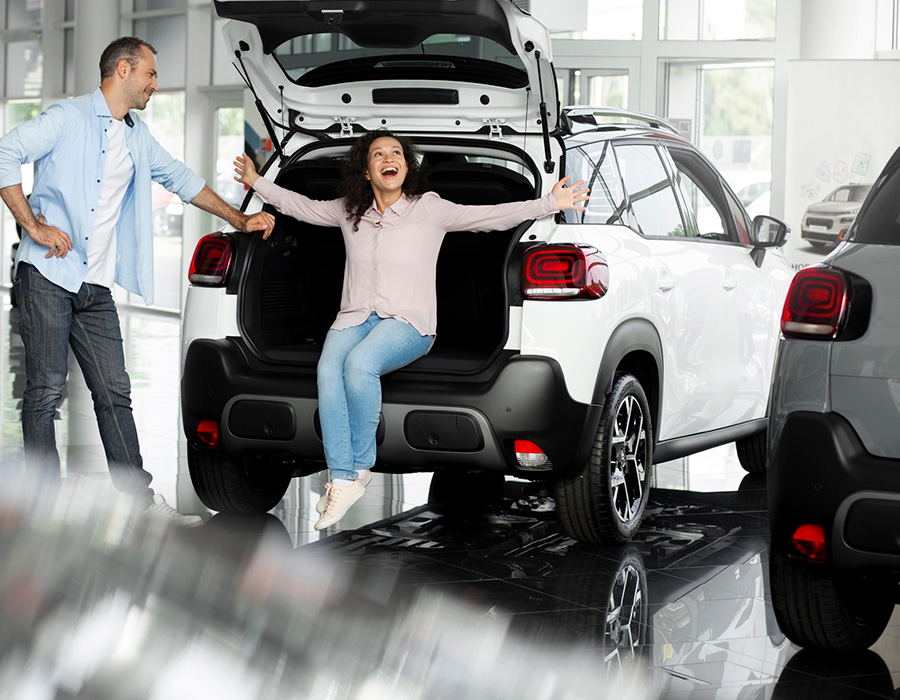
A private car is the most economical and comfortable option for routes that stay on well-paved highways. It’s a good fit for airport transfers, city tours, and standard outstation trips where road conditions are predictable.
Limitations: Not suitable for rugged, unpaved mountain roads like those to Mustang or Solu, where ground clearance and durability matter more than comfort.
SUV & 4×4 Jeep: Best for Mountain and Off-Road Terrain
Ideal for: Small groups (up to 6–7 people) heading to remote or high-altitude destinations
Best routes: Kathmandu–Mustang, Kathmandu–Solu (Salleri/Phaplu), Kathmandu–Bardiya
If your trip involves mountain roads, river crossings, or unpaved tracks, a 4×4 jeep isn’t just more comfortable — it’s often necessary. Jeeps offer higher ground clearance, better traction, and more resilience on rough terrain, which matters significantly on routes like the drive to Upper Mustang or the overland gateway to Everest via Solu.
Limitations: Higher rental cost compared to standard cars, and the ride can still be bumpy on very rough sections regardless of vehicle quality.
Van & Hiace: Best for Families and Mid-Sized Groups
Ideal for: Families or groups of 7–10 people
Best routes: Any route, especially family vacations to Pokhara, Chitwan, or Lumbini
Vans and Hiace microbuses strike a good balance between space and flexibility. They offer enough room for luggage and passengers without the scale of a full tourist bus, making them a popular choice for extended families or small group tours who want to travel together in one vehicle.
Limitations: Not ideal for very rugged, unpaved mountain routes — jeeps handle those better.
Tourist Bus & Coaster: Best for Large Groups
Ideal for: Groups of 15+ people
Best routes: Organized tours, pilgrimage groups, school trips, corporate group travel
For larger groups — tour operators, educational trips, or pilgrimage groups — a tourist bus or coaster is the most practical and cost-effective option. It keeps everyone together on one vehicle rather than splitting into multiple cars, simplifying logistics for group coordinators.
Limitations: Buses are best suited to paved highway routes and are not practical for narrow mountain roads or off-road terrain.
A Few Additional Tips
Match the vehicle to your route, not just your group size. A van might comfortably fit your group, but if you’re heading to Mustang or Solu, a 4×4 jeep is the safer choice regardless of numbers.
Ask about the driver’s experience with your specific route. Mountain roads require different skills than highway driving.
Factor in luggage. Trekking gear, group luggage, or shopping (especially on longer trips) can quickly fill up smaller vehicles.
Consider multi-day packages if your itinerary includes overnight stops — this often works out more convenient and cost-effective than booking separate transfers.
Final Thoughts
There’s no single “best” vehicle for traveling in Nepal — the right choice depends entirely on where you’re going, how many people you’re traveling with, and how much luggage you’re carrying. Matching your vehicle to your route is the single most important decision you’ll make when planning ground transportation in Nepal.